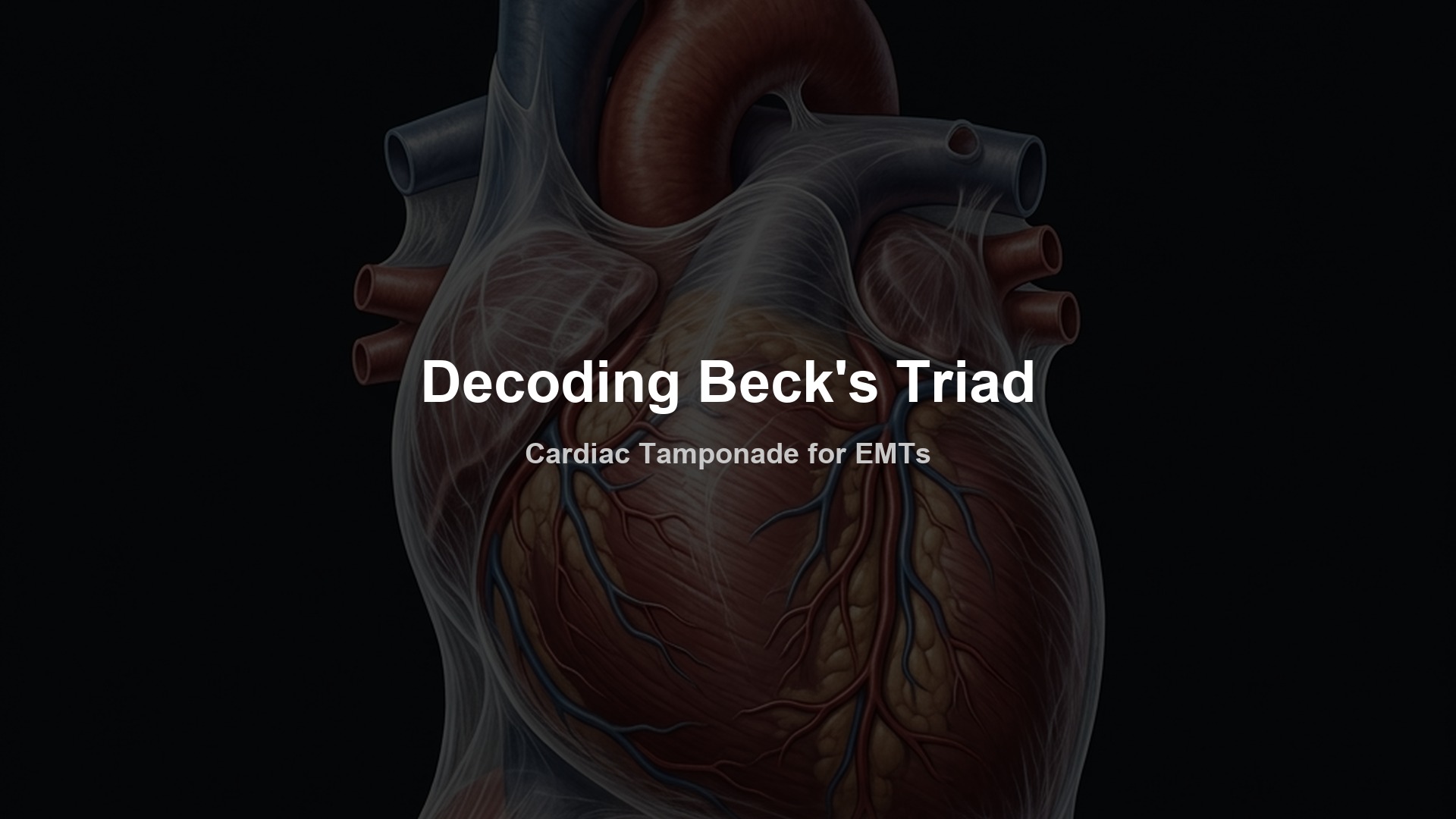
Decoding Beck's Triad: Cardiac Tamponade for EMTs
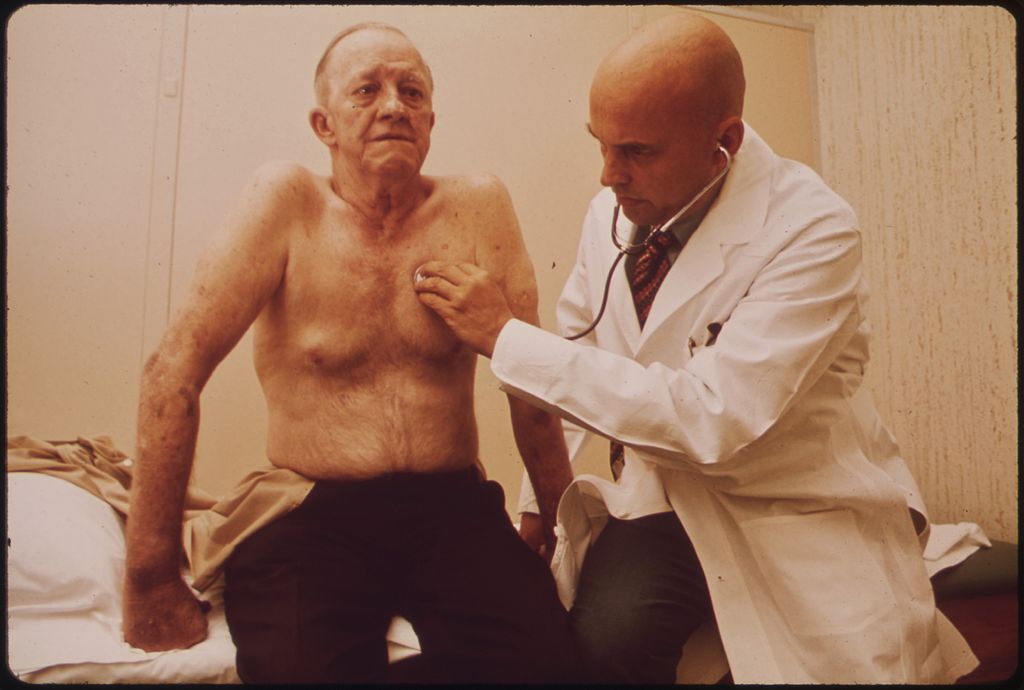
Master Beck's Triad for the NREMT. Learn the pathophysiology of cardiac tamponade, how to identify the three classic clinical signs, and key field treatments.
· 14 min read
Read →
22 articles
Master Beck's Triad for the NREMT. Learn the pathophysiology of cardiac tamponade, how to identify the three classic clinical signs, and key field treatments.
Master the Rule of Nines for the NREMT. Learn burn classifications, adult vs. pediatric calculations, fluid resuscitation formulas, and critical field care.
Learn how to write professional patient care report (PCR) narratives that protect your EMS career. Master SOAP vs CHART models and document critical negatives.
Learn how to recognize Cushing's Triad in the field, understand the Monro-Kellie doctrine, and differentiate increased intracranial pressure from systemic shock.
Study OB/GYN emergencies for the NREMT exam. Master APGAR score calculations, childbirth stages, preeclampsia, breech presentation, and hemorrhage.
Shock is not just low blood pressure — it is a systemic cellular crisis. This EMS field guide breaks down the four types of shock, the stages of compensation, capnography as a perfusion tool, and BLS priorities for managing a crashing patient.
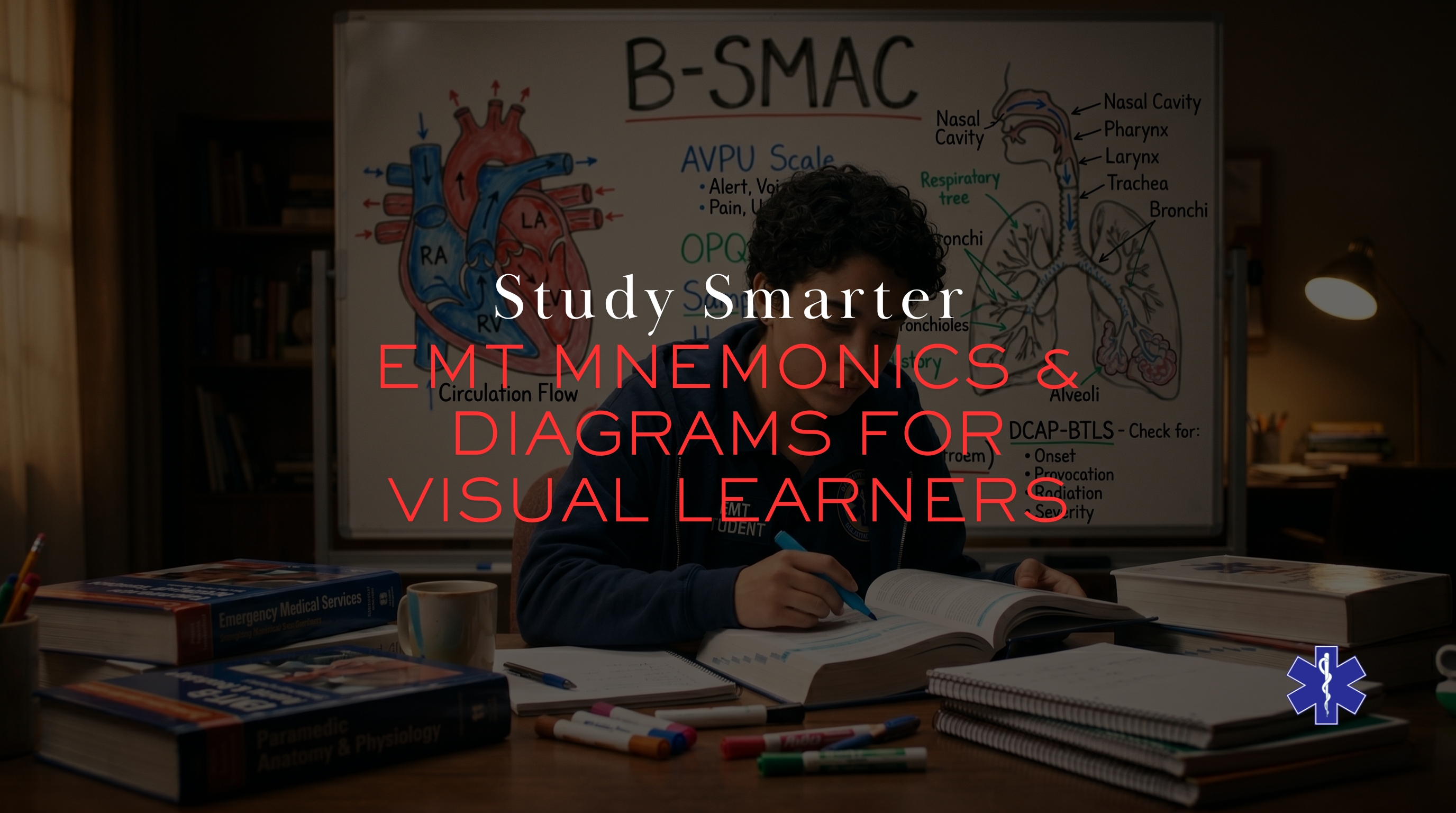
If you learn through imagery and spatial thinking, this EMT study guide is for you. Master patient assessment, cardiology, and high-yield mnemonics using diagrams, flowcharts, and visual frameworks built for the NREMT exam.
Master the 6 core medications an EMT-Basic can administer or assist with. Study standard dosages, indications, and contraindications for the NREMT exam.
Everything you need to know about EMT training: certification levels, requirements, school length, the NREMT, cost, and what to expect on your first shift.
Learn the 8 essential lung sounds every EMT and paramedic must recognize — normal, absent, diminished, wheezing, rhonchi, crackles, pleural rub, and stridor — with YouTube audio examples for each.
Pass the NREMT on your first attempt with 33 proven study tips covering the CAT format, skill sheet auto-fails, test-day tactics, and the psychomotor exam.
Struggling to focus on your EMT coursework? Here are 9 proven study locations that help EMS students retain more information, stay focused, and pass their exams.
Learn how to use SAMPLE history and OPQRST together to assess any patient in the field. This guide breaks down every letter, shows how they work as a system, and covers real-world application for EMT students and providers.
Electrical burns are deceptively dangerous — minimal external signs can hide life-threatening internal damage. This guide covers everything EMTs need to know: scene safety, burn types, cardiac monitoring, field care, and hospital handoff.
A complete EMT guide to the cardiovascular system: heart anatomy, electrical conduction, cardiac emergencies, and prehospital interventions.
An EMT guide to prehospital neurology: Glasgow Coma Scale (GCS), AVPU scale, pupil checks, and field stroke, TBI, and seizure management.
A complete EMT guide to the musculoskeletal system: bone and joint anatomy, fractures, splinting, and prehospital trauma management.
DCAP-BTLS is a critical acronym every EMT uses to perform a systematic trauma assessment. Learn what each letter stands for, what findings to look for, and how to use it in the field.
A curated list of free and paid study resources for EMT Basic and Paramedic students — videos, NREMT skill sheets, drug flashcards, and practice tools to help you pass your class and ace the NREMT.
EMTs and Paramedics are not the same job. This guide breaks down the differences in training, scope of practice, salary, and career opportunities so you know exactly what each license level means.
A complete overview of EMT training requirements—including age limits, CPR certificates, clinical hours, and NREMT exam prep—before you enroll.
Deciding where to attend EMT school is a major step. Compare trade schools and community colleges on cost, duration, and career path options.