Decoding Beck's Triad: Cardiac Tamponade for EMTs
Master Beck's Triad for the NREMT. Learn the pathophysiology of cardiac tamponade, how to identify the three classic clinical signs, and key field treatments.
· 14 min read
Read →
Learn how to write professional patient care report (PCR) narratives that protect your EMS career. Master SOAP vs CHART models and document critical negatives.

When you step off the ambulance at the end of a long shift, your head is likely spinning with the details of your runs. You remember the chaotic scene, the screaming family members, the blood pressure readings, and the weight of the stretcher. What you probably do not want to think about is the blank text field staring at you from your tablet.
Writing the Patient Care Report (PCR) narrative is often the most neglected part of EMS education. Many training programs spend weeks teaching you how to insert airways and splint fractures, yet they relegate documentation to a single, dry lecture. This leaves new EMTs and paramedics terrified of quality assurance audits, insurance reviews, or worse, legal depositions.
To write a bulletproof narrative, you must shift your mindset. Your PCR is not a creative essay or a personal diary. It is a precise, chronological data log. It is a legal document designed to tell a clear story of what you found, what you did, and how the patient responded.
Whether you are writing a report for a minor fender bender or a critical cardiac arrest, your charting must be strong enough to survive review. This guide will show you how to structure your narratives, document critical negatives, and eliminate the vague jargon that insurance companies and legal teams use to tear reports apart.
Before looking at the structures, you need to understand who reads your reports. You might think your PCR is only read by your agency supervisor during routine quality assurance. In reality, your documentation goes much further.
First, insurance companies read your narratives to decide if the transport was medically necessary. If you fail to document why the patient could not travel by private vehicle, the claim may be denied. This leaves your employer unpaid and your patient facing a massive bill.
Second, hospital physicians and nurses refer to your reports to track changes in the patient condition. A well-written PCR provides a vital baseline for the trauma team.
Finally, your report is your primary shield in court. Medical malpractice lawsuits can take years to reach a trial. By the time you are called to give a deposition, you will have run thousands of calls. You will not remember the details of that specific Tuesday afternoon. Your PCR narrative is the only evidence of the care you provided. If you did not write it down, the legal system assumes it did not happen.
To ensure you never miss a detail, you should use a standardized structural model. The two most common frameworks in emergency services are SOAP and CHART. Both models organize your assessment and treatment into logical blocks, but they structure the flow differently.
| Formatting Model | Mnemonic Breakdown | Best Used For | Key Advantage |
|---|---|---|---|
| SOAP | Subjective, Objective, Assessment, Plan | Medical calls, clinical transfers, and comprehensive patient-focused summaries. | Groups subjective patient complaints separately from physical measurements. |
| CHART | Chief Complaint, History, Assessment, Rx (Treatment), Transport | Trauma incidents, multi-casualty scenes, and chronological system logs. | Follows the chronological operational timeline of the call from dispatch to transfer. |
The SOAP model is highly clinical. It is the same format used by physicians and nurses in the emergency department, which makes it easy for hospital staff to read.
The CHART model is operational and chronological. It is highly popular among road crews because it aligns with the natural flow of an EMS run.
A common mistake made by new providers is only documenting what they find. While recording positive findings (like a deformed leg or wheezing lungs) is essential, documenting pertinent negatives is equally critical.
A pertinent negative is the absence of a sign or symptom that would normally be expected under the circumstances. Proving what did not happen to your patient is vital to establish that you performed a complete assessment.
Imagine you respond to a motor vehicle collision. The patient complains of ankle pain. You assess their neck and back, find no tenderness, and transport them sitting on the stretcher.
Two weeks later, the patient claims they suffered a spinal cord injury due to your transport. If your PCR narrative only states “patient complains of ankle pain, splinted, transported,” you have no proof that you checked their spine. A lawyer will argue that you ignored a potential c-spine injury.
If you had written “patient denies neck, back, or shoulder pain; no spinal tenderness noted upon palpation; sensory and motor function intact in all four extremities,” you have documented pertinent negatives that legally protect your actions.
Whenever you write a narrative, ensure you include these standard negatives:
Your narrative must be objective. It must describe observations and actions, not assumptions or emotions. Many reports are ruined by defensive writing or lazy terminology.
Avoid using words that are subjective, vague, or open to interpretation. Instead, use specific, descriptive language.
| Avoid Using This Subjective Phrase | Use This Objective Documentation Instead |
|---|---|
| ”Patient appeared fine during transport." | "Patient remained alert, oriented times four, and in no apparent distress; vitals reassessed and stable." |
| "Patient was drunk/intoxicated." | "Patient exhibits slurred speech, unsteady gait, bloodshot eyes, and the odor of an alcoholic beverage on their breath." |
| "Transported without incident." | "Patient monitored continuously; serial vitals obtained; patient transported without change in clinical status." |
| "Patient was combative and uncooperative." | "Patient repeatedly shouted profanities, refused to sit on the cot, and pushed the hands of EMT away during assessment." |
| "Assisted paramedic with IV." | "EMT prepared IV start kit and secured catheter site after paramedic successfully cannulated left cephalic vein.” |
Look closely at the difference. Saying a patient was “drunk” is a legal conclusion that you cannot prove without a lab test. Describing the odor of alcohol, slurred speech, and unsteady gait is an objective observation of facts. Describing observations protects you from accusations of bias.
Here is an example of a professional, audit-proof narrative written using the CHART method. Note the chronological flow, the use of pertinent negatives, and the elimination of vague phrases.
CHIEF COMPLAINT:
EMS responded to a private residence for a 62-year-old male complaining of substernal chest pain.

HISTORY:
Patient reports sudden onset of pressure-like chest pain while sitting in a chair, rated at a 6 out of 10 on the pain scale. Pain does not radiate to the back, neck, or left arm. Patient denies dyspnea, nausea, vomiting, dizziness, or diaphoresis. Patient took one 325 mg tablet of adult aspirin prior to EMS arrival. Patient medical history includes hypertension and high cholesterol. Patient denies a history of coronary artery disease or myocardial infarction. Allergies: Penicillin. Current medications: Lisinopril, Atorvastatin.

ASSESSMENT:
Patient is alert, oriented times four, and speaking in full sentences. Skin is warm, pink, and dry. Pupils are equal, round, and reactive to light. Chest wall is non-tender to palpation. Lungs are clear and equal bilaterally with no wheezing, rales, or rhonchi. Radial pulses are strong, regular, and equal bilaterally. GCS is 15. AVPU is Alert.
INITIAL VITALS: BP 142/88, HR 76 regular, RR 16 regular, SpO2 96 percent on room air, Temp 98.6 F.

TREATMENT (Rx):
EMS monitored cardiac rhythm (sinus rhythm with no ectopy). Oxygen was withheld as patient is non-hypoxemic (SpO2 96 percent) and in no respiratory distress. EMS assisted patient to cot. Patient moved via scoop stretcher to protect joints, secured with three straps and shoulder harness. Patient loaded into ambulance.

TRANSPORT:
Patient transported non-emergency mode to Mercy Hospital. Vitals reassessed en route (BP 138/84, HR 74, RR 14, SpO2 97 percent on room air). Chest pain remained stable at a 6 out of 10. Care transferred to Registered Nurse J. Smith at Mercy Hospital. Patient moved from EMS cot to hospital bed via draw sheet method. Transfer report provided to nurse. Patient remains in stable condition.Use this quick checklist before you submit any PCR narrative to ensure it meets quality assurance standards:
If you realize you made an error after submitting your PCR, you must write an addendum. Never try to delete or erase submitted data. Write a dated, timed addendum correcting the error and explaining the discrepancy objectively.
Refusals are the most legally dangerous calls you will run. If a patient refuses care, your narrative must be even more detailed than a transport report. You must document the patient mental capacity (oriented times four, sober, no head trauma), the specific risks of refusal that you explained to them, their understanding of those risks, and that you advised them to call 911 again if symptoms worsen.
Use direct quotes showing the patient understands the risks. Write: “Patient stated: ‘I understand I could die if I do not go to the hospital, but I still refuse to go.’” This proves the refusal was informed.
About the Author
I'm a veteran EMT with 13+ years of field experience in EMS. I started EMT Training Station to help aspiring EMS professionals get the information they need — from training and certification to gear and career advancement. I've worked in Arizona and Michigan and participated in Hurricane Michael FEMA relief.
Master Beck's Triad for the NREMT. Learn the pathophysiology of cardiac tamponade, how to identify the three classic clinical signs, and key field treatments.
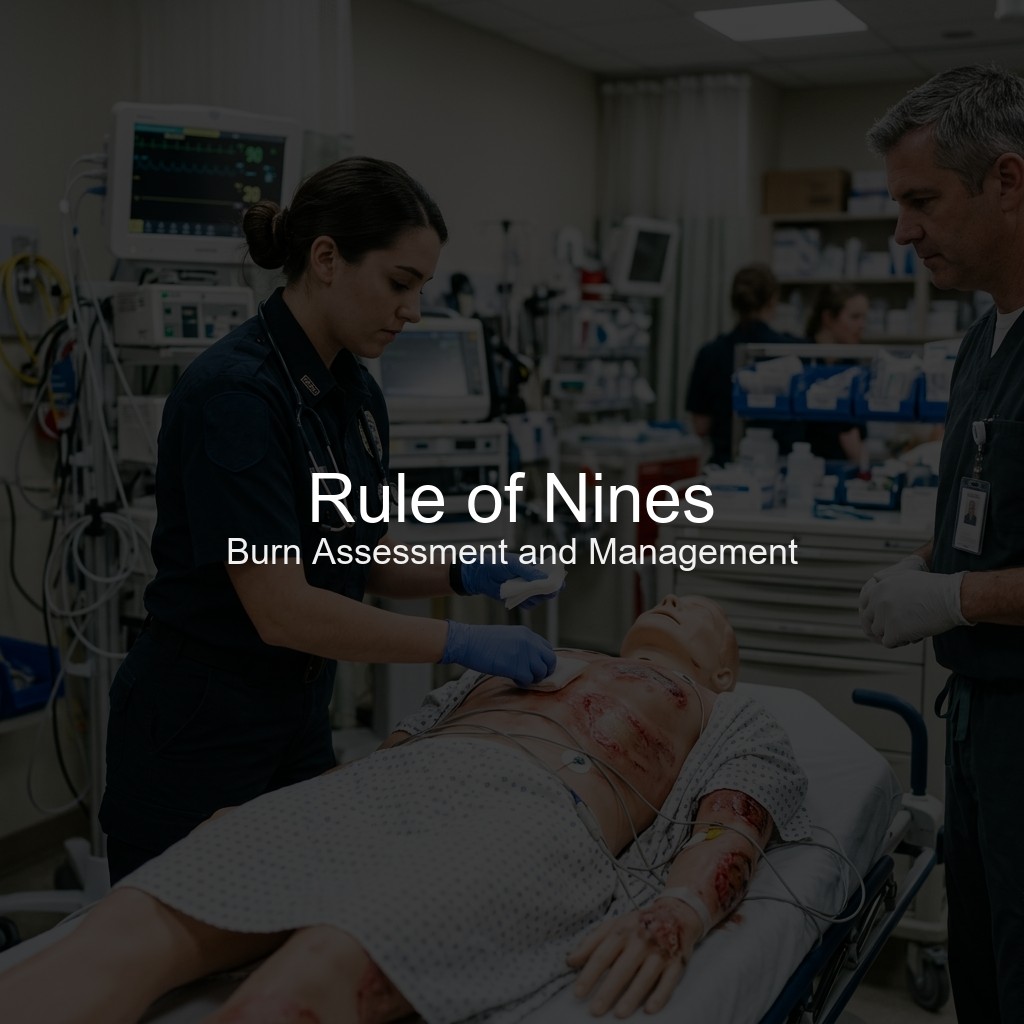
Master the Rule of Nines for the NREMT. Learn burn classifications, adult vs. pediatric calculations, fluid resuscitation formulas, and critical field care.
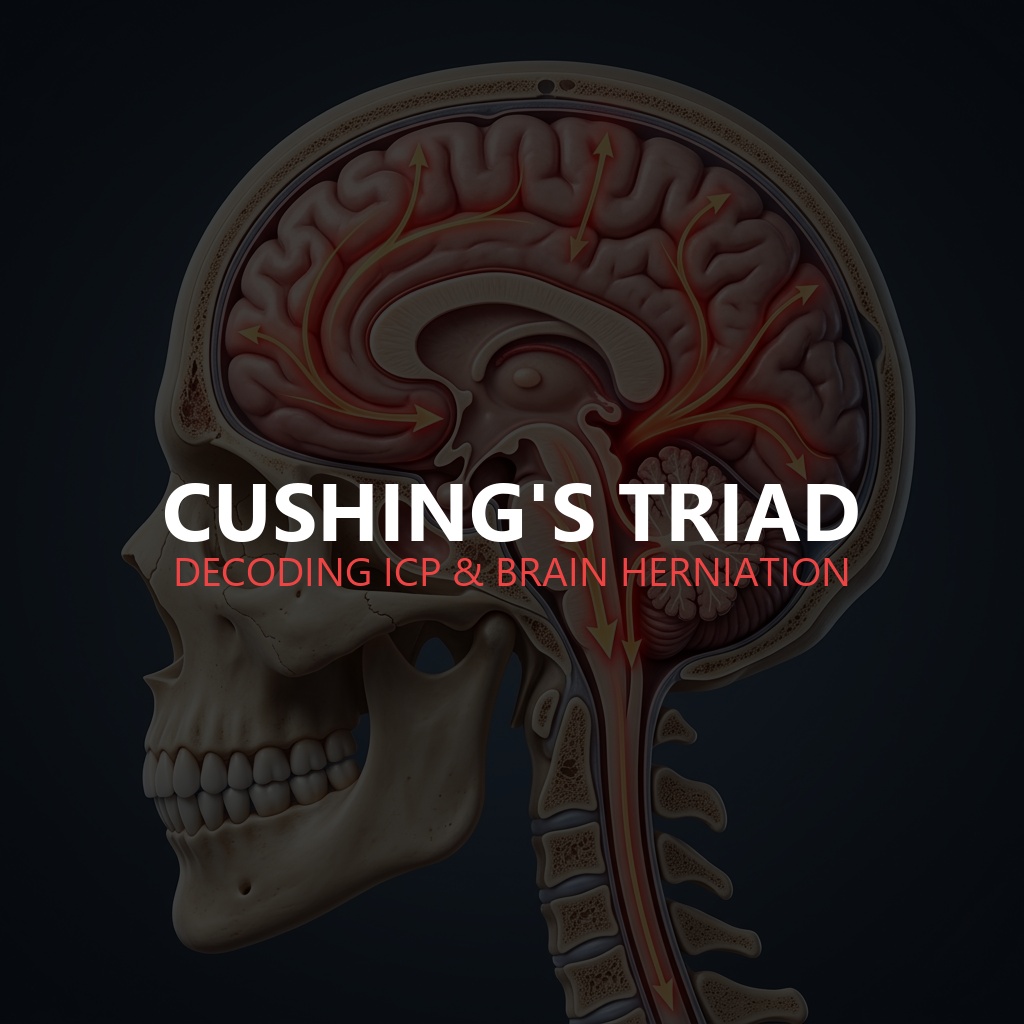
Learn how to recognize Cushing's Triad in the field, understand the Monro-Kellie doctrine, and differentiate increased intracranial pressure from systemic shock.