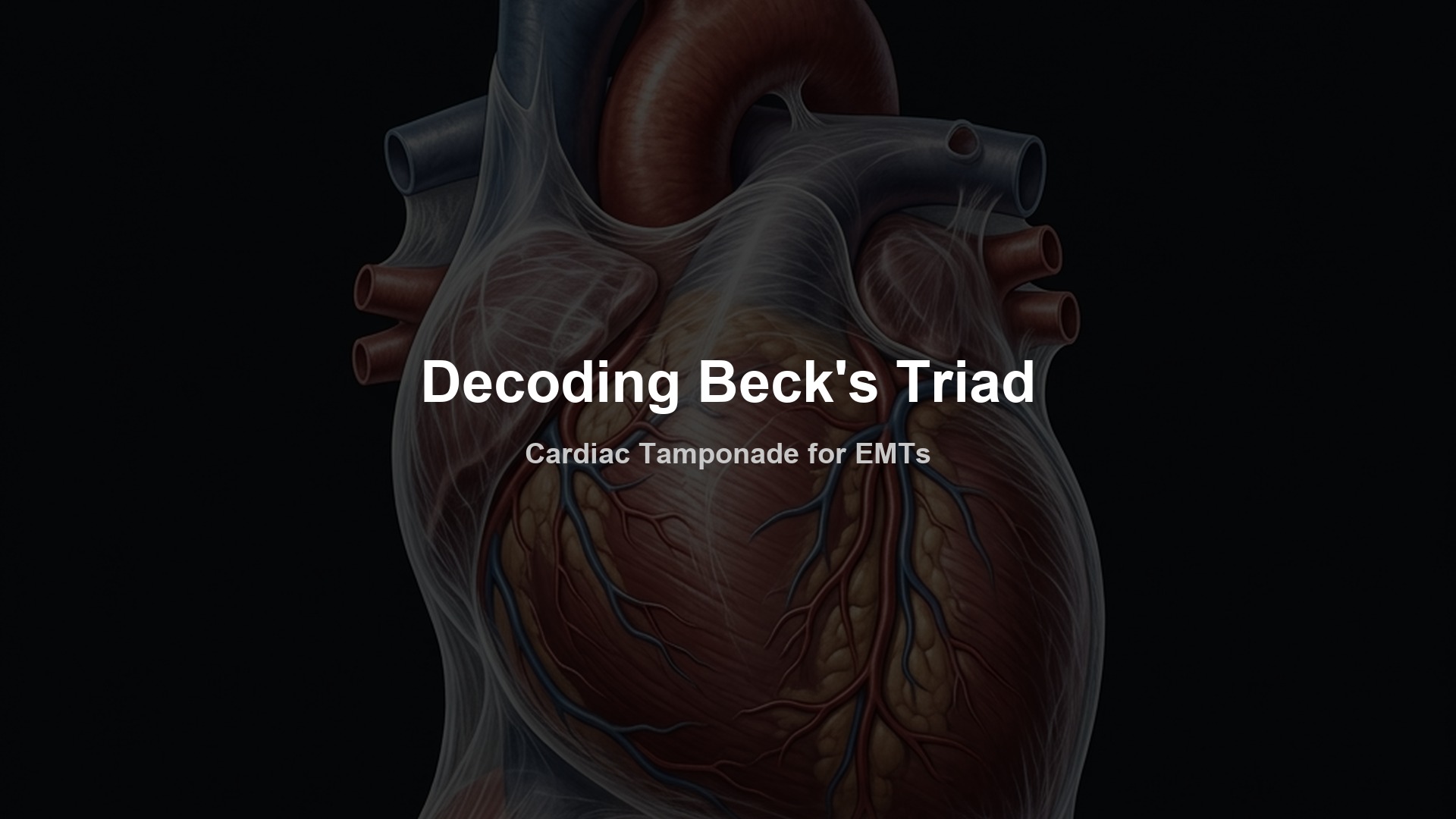
Decoding Beck's Triad: Cardiac Tamponade for EMTs
Master Beck's Triad for the NREMT. Learn the pathophysiology of cardiac tamponade, how to identify the three classic clinical signs, and key field treatments.
· 14 min read
Read →
A complete overview of EMT training requirements—including age limits, CPR certificates, clinical hours, and NREMT exam prep—before you enroll.
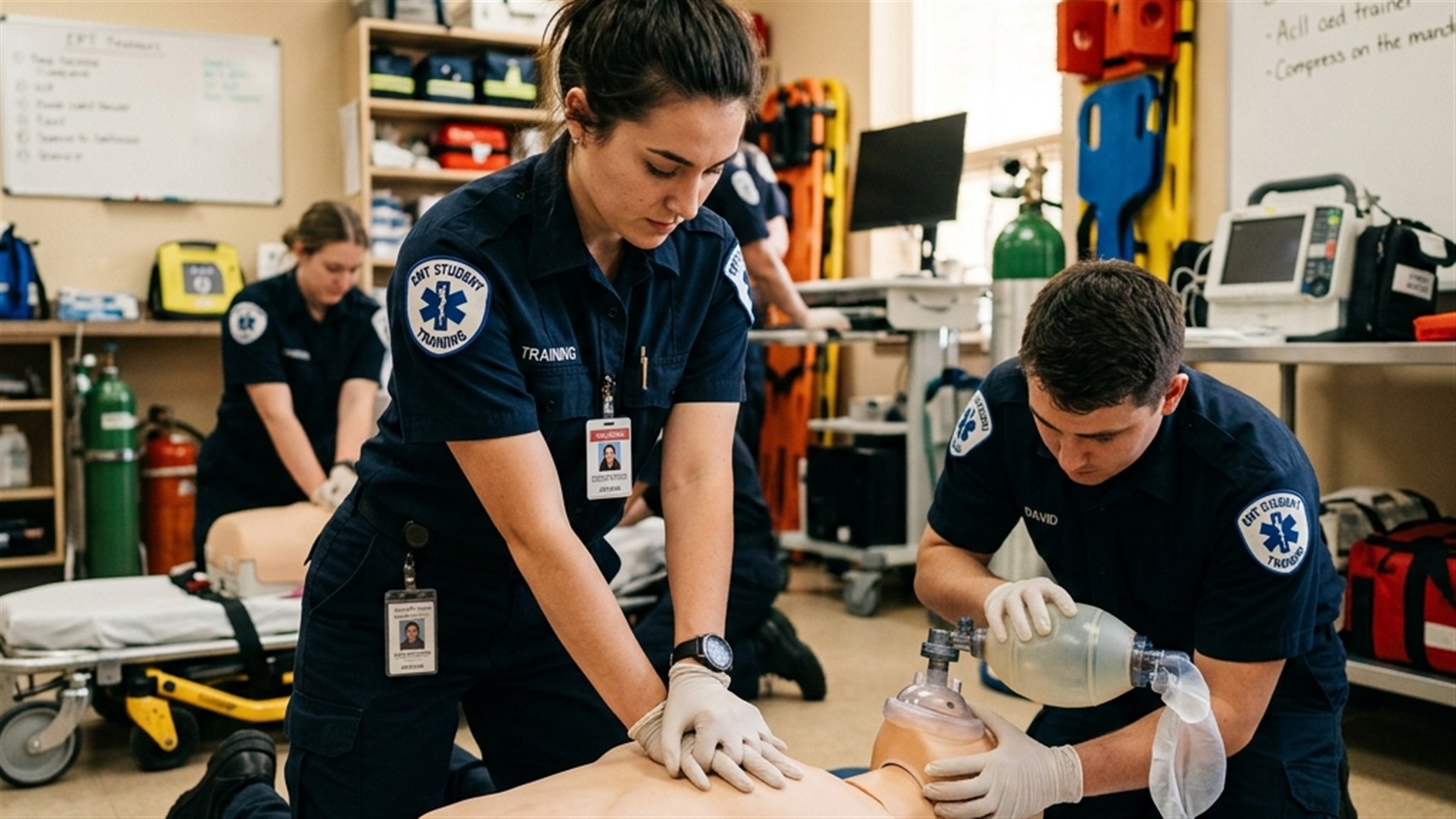
Becoming an EMT or Paramedic is not as easy as filling out an application and walking onto a job. EMS is a professional level career and as such requires a perspective EMT or Paramedic to become licensed as a medical professional. Licensing will vary depending on what state you are in. Each state is free to govern its training and certification processes. EMT Training Station has a list of requirements by state.
Many local community colleges offer several courses in Healthcare, Emergency Services, EMT Basic and EMT Paramedic that can help you when you apply for a job or are looking to increase your income. It is recommended that you first check with any potential employers before enrolling for any courses to see if they have any recommendations for you. Many ambulance services offer tuition assistance in exchange for a contract promising to work for that company after the student has gained their EMT license.
Besides taking a class, EMT students will also learn CPR and other basic life support skills. There are other classes an EMT student can look into taking that can greatly improve their chances of getting hired as an EMS worker. These classes include HAZMAT, Confined space rescue, Wilderness Rescue, Fire Education, etc. These types of courses will definitely help add to your resume and impress any potential employers since they are directly related to the job that you will be hired for. Specifically, confined spaces rescue or HAZMAT can be a mandatory requirement for some employers, and usually, that means they will pay more.
Although you do have a lot of options, it is understandable if you are still a little confused about what you’re supposed to do. There is no right answer and know that in most cases, any education is a good education, especially if you are able to learn more about your field of work and potentially become a better security guard as a result. If you really need some help, don’t be afraid to ask an experienced EMT or Paramedic what they think you should do.
To conclude, yes – it is absolutely required to go to school in order to become an EMT. Depending on the State that you live in, your training length and requirements will differ. Some states require completion of the NREMT exam. States also will require the student to complete clinical rotations.
Do you know how to choose where to take your EMT class?
Head on over to our guide on how to decide where to attend EMT school, where we cover the difference between trade schools and college for your education.
Where an EMT takes their class can have an impact on their career path. Do you need to become an EMT fast in order to leave a dead end job or a job that you might not have in a couple of months? Do you plan on using your EMT license as a foot into the wider medical field such as nursing or physician assistant or even becoming a doctor? Wherever you begin your journey into the Emergency Medical Field, just make sure you start down the path that is right for you.
Most states require EMT candidates to be at least 18 years old. Some states permit 17-year-olds to complete the training program but will not issue a license until the candidate turns 18.
Most states use the NREMT as their primary certification exam, but a few states have their own state-specific exams. Check with your state EMS office to confirm which exam is required before you enroll in a program.
EMT-Basic training typically takes 120 to 150 hours, which translates to roughly 3 to 6 months at most community colleges and trade schools. Accelerated programs can be completed in as little as 8 weeks.
Filed Under
About the Author
I'm a veteran EMT with 13+ years of field experience in EMS. I started EMT Training Station to help aspiring EMS professionals get the information they need — from training and certification to gear and career advancement. I've worked in Arizona and Michigan and participated in Hurricane Michael FEMA relief.
Master Beck's Triad for the NREMT. Learn the pathophysiology of cardiac tamponade, how to identify the three classic clinical signs, and key field treatments.
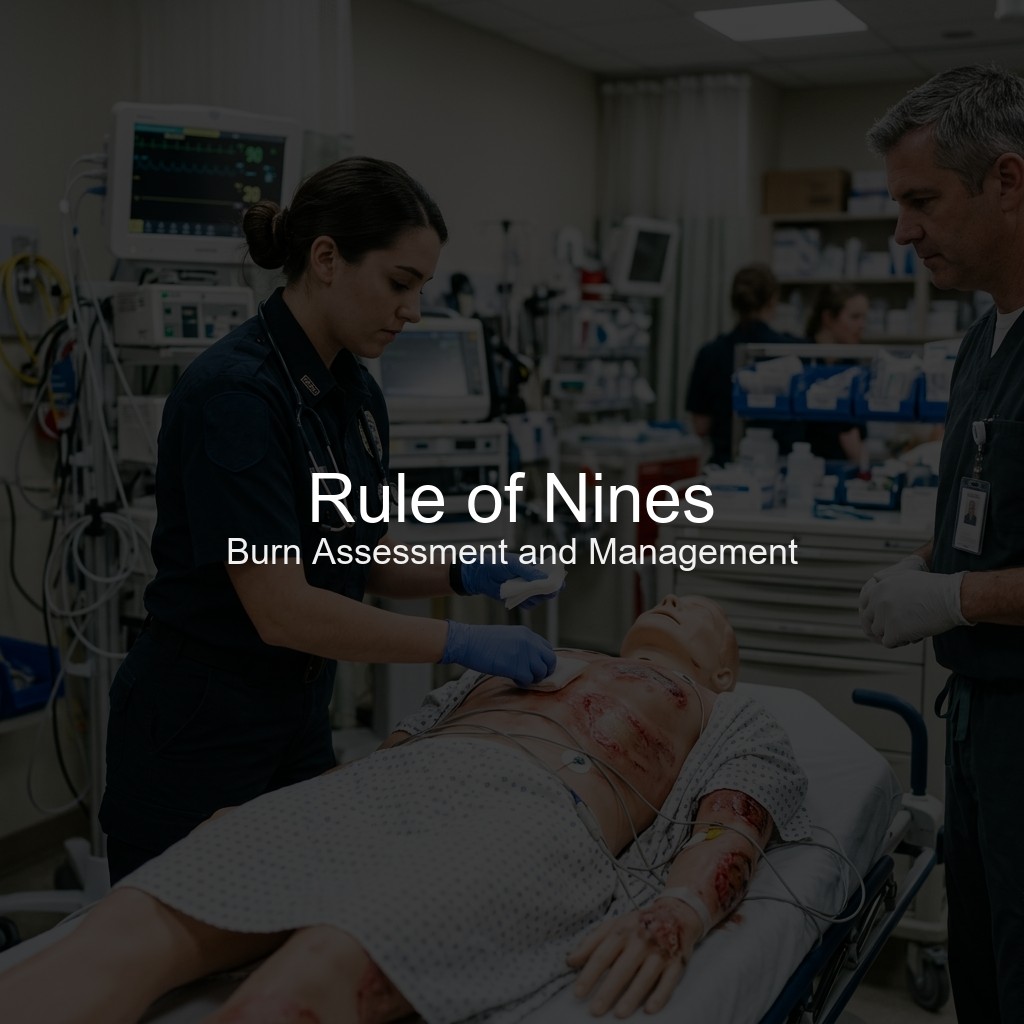
Master the Rule of Nines for the NREMT. Learn burn classifications, adult vs. pediatric calculations, fluid resuscitation formulas, and critical field care.
Learn how to write professional patient care report (PCR) narratives that protect your EMS career. Master SOAP vs CHART models and document critical negatives.