EMT Shift Schedules: 24/48s & Kelly Days
Compare common EMS shift rotations. Learn how 24/48, 48/96, 12-hour Pitman schedules, and Kelly Days work, with tips on surviving 24-hour shifts.
· 7 min read
Read →
Imagine being the person who answers the call in the darkest hours - that's what Emergency Medical Technicians (EMTs) do every day. They're not just employees in the healthcare system; they're life-savers, comfort-givers, and community heroes.
Imagine being the person who answers the call in the darkest hours - that’s what Emergency Medical Technicians (EMTs) do every day. They’re not just employees in the healthcare system; they’re life-savers, comfort-givers, and community heroes. We are going to look at 15 reasons why you should consider a career as an EMT. You might be surprised at where this exciting career path can take you.
It starts with a desire, a deep-seated urge to lend a hand. EMTs often say they feel a calling to help others. They are the first responders who arrive with a steady hand and a kind word, making an immediate difference in critical situations. Their work goes beyond medical intervention; it’s about being a pillar of strength and a source of comfort. The impact of an EMT on a patient’s life can be profound, often leaving a lasting impression not just on the people they help but also on their own lives.
If a routine desk job sounds like your worst nightmare, then being an EMT might be your dream come true. No two days are the same in this field. One day, you could be responding to a major car accident, and the next, you might be helping a mother deliver a baby. This career is for those who thrive in dynamic, high-pressure environments. It demands quick decision-making, versatility, and a strong team spirit. This constant variation keeps EMTs engaged and ready to face new challenges head-on.
EMTs play a crucial role in the healthcare system, often being the first medical professionals to provide care. In many life-threatening situations, the prompt response and expert care of an EMT can be the difference between life and death. They set the stage for further treatment, making swift decisions that have long-lasting impacts on patients’ recovery processes. This frontline position is not just about providing medical care; it’s about being a critical player in a larger healthcare narrative.

A career as an EMT is a gateway to numerous opportunities within the medical field. It is a stepping stone to becoming a paramedic, nurse, or even doctor. If you are interested in public safety, it is also the ideal foundation to learn how to become a firefighter EMT. The experience gained in the field is invaluable, offering a real-world education in emergency medicine. Many EMTs choose to specialize in areas such as pediatric care, hazardous material response, or critical care transport, broadening their expertise and enhancing their career prospects.
Beyond the sirens and emergency situations, EMTs contribute significantly to their communities. They often engage in public education, teaching CPR and first aid, and participating in health and wellness fairs. They become familiar faces in schools and community centers, spreading awareness about health and safety. This aspect of the job is enriching, as it allows EMTs to connect with people outside of emergency situations and play a proactive role in preventing them.
EMTs work in various settings, each offering unique experiences. They might be stationed in busy urban areas, responding to a high volume of calls, or in rural regions, where they might have to navigate challenging terrain. Some find themselves in the middle of major events like concerts or sports games, ready to act if needed. This diversity in work environments not only enriches their professional lives but also equips them with a wide range of skills adaptable to any situation.
Through their consistent and compassionate presence, EMTs become trusted figures in the community. This trust is crucial in emergencies, as patients are more likely to feel at ease and cooperate, making the EMTs’ job smoother and more effective. This aspect of the job brings a deep sense of personal fulfillment, knowing they’re a vital part of the community’s safety net.
Respect is a significant part of being an EMT. Their courage, quick thinking, and unwavering dedication to saving lives earn them high regard among peers and the community. This respect and recognition speak to the importance and honor of their role in the medical ecosystem, often making them unsung heroes.
The role of an EMT is as physically demanding as it is mentally stimulating. They must be in top physical condition to handle the rigors of the job, from lifting patients to enduring long shifts. Mentally, they need to remain sharp and focused, often making critical decisions on the spot. This combination of physical and mental engagement keeps the role challenging and fulfilling.
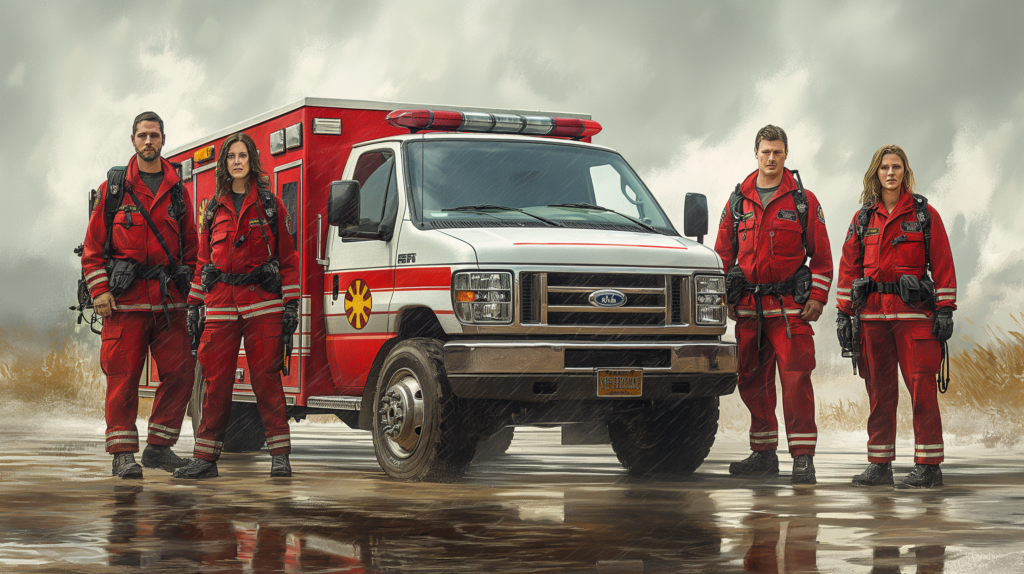
Teamwork is fundamental in the world of emergency medical services. EMTs often work in pairs or as part of a larger team, including paramedics, firefighters, and police officers. These close working relationships foster a strong sense of camaraderie and mutual support, essential for effective problem-solving and coping with the emotional and physical demands of the job.
EMTs gain broad exposure to healthcare challenges. They encounter everything from trauma and cardiac emergencies to mental health crises. This wide range of experiences provides a comprehensive understanding of healthcare needs and challenges, proving invaluable for those who aspire to further their education in medicine.
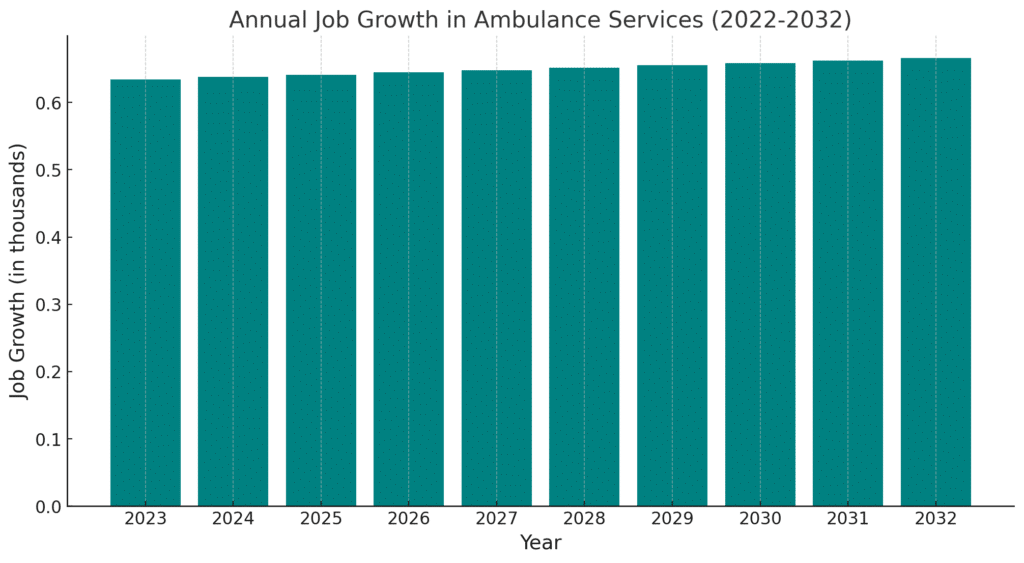
Source: Bureau of Labor Statistics
The demand for EMTs remains steady, offering job security in an often uncertain world. With the increasing focus on healthcare and emergency preparedness, the need for skilled and experienced EMTs is set to grow. This career offers not just stability but also ample opportunities for advancement and specialization. Curious about compensation? Our EMT and paramedic salary guide breaks down earnings by state and specialty.
One of the most striking aspects of being an EMT is the emotional reward. The satisfaction of saving a life, of being there in someone’s hour of need, is unparalleled. It’s a feeling of fulfillment that’s hard to find in many other professions. This emotional connection to their work sets EMTs apart, fueling their passion and dedication.
EMTs work with some of the most advanced medical equipment and are continually training to stay abreast of the latest developments in emergency medical care. They learn to operate sophisticated life-saving tools, from defibrillators to advanced airway management devices. This continuous learning keeps them at the forefront of medical care, always ready to bring the best treatments to the field.
EMTs also have the best uniforms from EMS boots to EMS pants, as an EMT you get to look good while doing good.
EMTs are integral to broader public health efforts. Their involvement in community health programs, disaster response, and emergency preparedness initiatives allows them to make a significant impact on public health and safety. They are not just responding to emergencies; they are actively working to improve the overall health of their communities.
Choosing a career as an EMT means embracing a path filled with unique challenges and deep satisfaction. It’s about playing a crucial role in some of life’s most critical moments and positively impacting the fabric of society. In the world of healthcare, few roles are as dynamic, challenging, and rewarding as that of an EMT.
Once you complete your training, you will need to prepare for the job market. Read our comprehensive guide on how to write a professional EMT resume and pass the oral board interview.
According to the U.S. Bureau of Labor Statistics, employment of EMTs and paramedics is projected to grow significantly faster than the average for all occupations, driven by an aging population and the continued need for emergency medical services.
EMT is an excellent entry-level healthcare career. It provides hands-on patient care experience, steady employment, and a direct path into paramedic, nursing, or physician assistant programs. Many EMTs use it as a stepping stone to higher-level medical careers.
Yes. EMT experience provides patient contact hours that are required or valued by many medical school, PA school, and nursing programs. Common career paths from EMT include paramedic, ER technician, RN, physician assistant, and firefighter.
About the Author
I'm a veteran EMT with 13+ years of field experience in EMS. I started EMT Training Station to help aspiring EMS professionals get the information they need — from training and certification to gear and career advancement. I've worked in Arizona and Michigan and participated in Hurricane Michael FEMA relief.
Compare common EMS shift rotations. Learn how 24/48, 48/96, 12-hour Pitman schedules, and Kelly Days work, with tips on surviving 24-hour shifts.
Learn how to become a Wildland Fireline EMT (FEMT). Get Red Card certified, pass the arduous pack test, and build a 14-day line bag packing list.
Learn how to become a flight paramedic. Read this step-by-step career roadmap covering clinical requirements, critical care certifications, and physical standards.