Decoding Beck's Triad: Cardiac Tamponade for EMTs
Master Beck's Triad for the NREMT. Learn the pathophysiology of cardiac tamponade, how to identify the three classic clinical signs, and key field treatments.
· 14 min read
Read →
EMTs and Paramedics are not the same job. This guide breaks down the differences in training, scope of practice, salary, and career opportunities so you know exactly what each license level means.
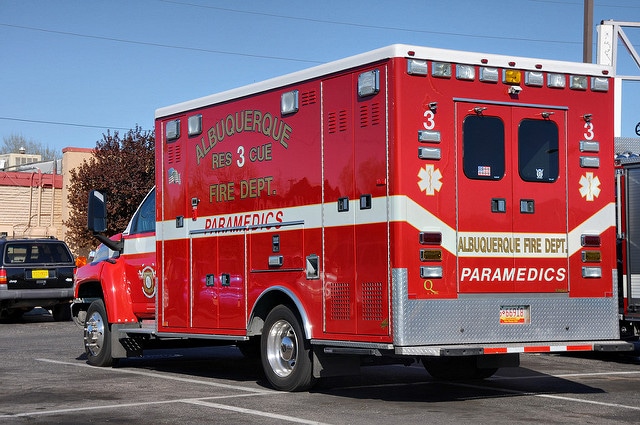
A common misconception is that EMTs and Paramedics are interchangeable. They are not. While both work in the prehospital setting and respond to emergencies, the difference between the two is significant — similar to comparing a nurse to a physician. They work in the same environment and share many responsibilities, but their training, scope of practice, and capabilities are very different.
When most people say “EMT,” they mean EMT Basic — the entry-level certification. A Paramedic is a higher license level, sometimes called an EMT-Paramedic. For clarity, this article uses “EMT” to mean EMT Basic throughout.
Both EMTs and Paramedics respond to 911 calls, provide prehospital emergency care, and transport patients to the hospital. That is where the easy comparisons end.
Both EMTs and Paramedics learn a shared core curriculum, but the depth and length of training differ significantly.
Topics covered at both levels:
EMTs are trained to identify and treat a wide range of emergencies, or recognize when more advanced care is needed. Skills at the EMT level include:
The goal of EMT training is to stabilize and transport. Programs typically run 3 to 6 months. For full training requirements, see our complete EMT training guide.
Paramedic training builds directly on the EMT foundation — you must complete EMT Basic first. Paramedics can perform every intervention an EMT can, plus significantly more:
A Paramedic on scene operates at roughly the same clinical level as an emergency department in the field. Paramedic programs take 1 to 2 years to complete.
For more detail, see our in-depth guide on how to become a Paramedic.
Paramedics earn more than EMT Basics, reflecting the additional training and scope of practice. According to the Bureau of Labor Statistics, median annual wages are:
| Role | Median Annual Salary |
|---|---|
| EMT Basic | ~$38,000 |
| Paramedic | ~$50,000 |
Pay varies widely by geography, employer type, and overtime. Urban markets and flight programs typically pay above the median. EMS overtime is common, and total compensation often exceeds base salary significantly. For a full state-by-state breakdown, see our complete EMT and paramedic salary guide.
Both license levels have strong job prospects. The national shortage of EMS personnel means qualified candidates typically find work quickly after certification.
EMTs can find work in:
EMT shifts commonly run 10, 12, or 24 hours, and overtime is widely available. Beyond EMS, EMT certification is a valuable credential for anyone pursuing a healthcare career — PA programs, nursing, and medical school all value hands-on patient care experience.
Paramedics have access to all the opportunities available to EMTs, plus several advanced roles:
The BLS projects 5% employment growth for EMS through 2033 — faster than the average for all occupations.
Scope of practice defines what each provider can legally do in the prehospital setting. It is regulated at the state level (and sometimes county level), so specifics vary by location.
In a cardiac arrest:
In a trauma call:
Many services pair an EMT and a Paramedic on the same unit. The EMT assists, drives, and handles basic care while the Paramedic manages the patient.
EMTs and Paramedics are not the same — not in training, scope, or career trajectory. An EMT Basic provides essential, life-saving basic life support. A Paramedic provides advanced life support that closes the gap between the scene and the hospital.
If you are deciding which path to pursue, start with EMT. It is faster, less expensive, and gives you the real-world experience that makes Paramedic school far more manageable.
About the Author
I'm a veteran EMT with 13+ years of field experience in EMS. I started EMT Training Station to help aspiring EMS professionals get the information they need — from training and certification to gear and career advancement. I've worked in Arizona and Michigan and participated in Hurricane Michael FEMA relief.
Master Beck's Triad for the NREMT. Learn the pathophysiology of cardiac tamponade, how to identify the three classic clinical signs, and key field treatments.
Master the Rule of Nines for the NREMT. Learn burn classifications, adult vs. pediatric calculations, fluid resuscitation formulas, and critical field care.
Learn how to write professional patient care report (PCR) narratives that protect your EMS career. Master SOAP vs CHART models and document critical negatives.